

Services

-
Internet & Dedicated Connectivity: Services providing secure, fast, and cost-effective internet access and private connections for businesses
-
MPLS/IP VPN: Private network options that offer secure and reliable connections between different business locations.
-
Wireless Services: Utilizes 5G and other wireless technologies to provide flexible and mobile network access.
-
Satellite Connectivity: Offers enterprise-grade solutions, especially for remote locations or as a backup to terrestrial networks.
-
Cloud Connectivity: Ensures fast, seamless, and secure connections to public and private cloud environments.
-
SD-WAN: Leverages next-generation WAN services to optimize network performance, reduce costs, and provide seamless failover using low-cost commodity internet circuits.
WHAT WE OFFER
Unified Communications
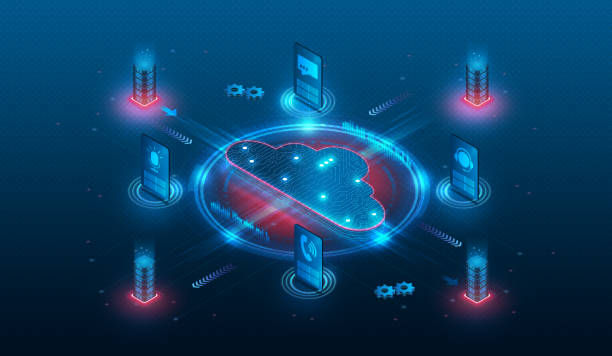
Unified Communications (UC) is a technology that integrates multiple communication channels into a single, cohesive platform to streamline and improve business collaboration. By bringing together tools like voice, video, instant messaging, email, and file sharing, UC eliminates the need for employees to constantly switch between different applications and devices.
A modern UC system includes a wide range of integrated communication services, such as:
-
Presence: Real-time information on a colleague's availability (e.g., available, busy, in a meeting) to determine the best way to contact them.
-
VoIP (Voice over Internet Protocol): Allows for phone calls to be made over the internet instead of traditional phone lines, enabling features like call forwarding and unified messaging.
-
Instant messaging (IM) and chat: Provides real-time text-based communication for quick and direct interactions.
-
Video and web conferencing: Supports virtual meetings with features like screen sharing, recordings, and team collaboration.
-
Unified messaging: Combines and centralizes asynchronous communication methods, such as email, voicemail, and fax, into a single inbox.
-
Mobile accessibility: Enables access to all communication features from smartphones and tablets, supporting remote and hybrid work models.
-
Business process integration: Links communication tools with other enterprise applications, such as Customer Relationship Management (CRM) or Enterprise Resource Planning (ERP) systems
WHAT WE OFFER
Contact Center

Deliver exceptional customer experiences with cloud-based Contact Center solutions tailored to your business. Telverra partners with industry-leading CCaaS (Contact Center as a Service) providers to offer scalable platforms that enhance customer engagement across voice, chat, email, and SMS—all from a single interface.
Whether you operate a small support team or a large inbound sales center, we help you design and deploy contact center technology that improves agent productivity, provides real-time insights, and integrates seamlessly with your existing tools (like CRM systems or ticketing platforms).
Key Features:
Omnichannel communication (voice, chat, email, SMS)
Intelligent call routing & IVR
Real-time dashboards & analytics
Workforce management tools
CRM & helpdesk integrations
(Salesforce, Zendesk, etc.)
Scalable for remote or hybrid teams
With Telverra, you get expert guidance from vendor selection to implementation—ensuring your contact center is built for speed, service, and growth.
Network security
This protects the integrity and accessibility of computer networks and the data flowing through them.
-
Firewalls: Act as a barrier between a trusted internal network and untrusted external networks, filtering traffic based on predefined security rules. Next-Generation Firewalls (NGFWs) offer more advanced features like deep packet inspection and intrusion prevention.
-
Intrusion Detection and Prevention Systems (IDPS): Monitor network traffic for malicious activity or policy violations. An Intrusion Detection System (IDS) alerts administrators, while an Intrusion Prevention System (IPS) actively blocks or mitigates threats.
-
Virtual Private Networks (VPNs): Create secure, encrypted connections over public networks, allowing remote users to access the company's network securely.
WHAT WE OFFER
Cybersecurity Solutions

Cybersecurity solutions are a mix of technologies, processes, and services designed to protect digital systems, networks, and data from cyberattacks. They can range from standalone antivirus software for individuals to comprehensive, multi-layered platforms for large enterprises. Effective solutions protect against unauthorized access, data loss, and threats like malware, phishing, and ransomware.
Network security
This protects the integrity and accessibility of computer networks and the data flowing through them.
-
Firewalls: Act as a barrier between a trusted internal network and untrusted external networks, filtering traffic based on predefined security rules. Next-Generation Firewalls (NGFWs) offer more advanced features like deep packet inspection and intrusion prevention.
-
Intrusion Detection and Prevention Systems (IDPS): Monitor network traffic for malicious activity or policy violations. An Intrusion Detection System (IDS) alerts administrators, while an Intrusion Prevention System (IPS) actively blocks or mitigates threats.
-
Virtual Private Networks (VPNs): Create secure, encrypted connections over public networks, allowing remote users to access the company's network securely.
WHAT WE OFFER
Cloud
Software as a service (SaaS)
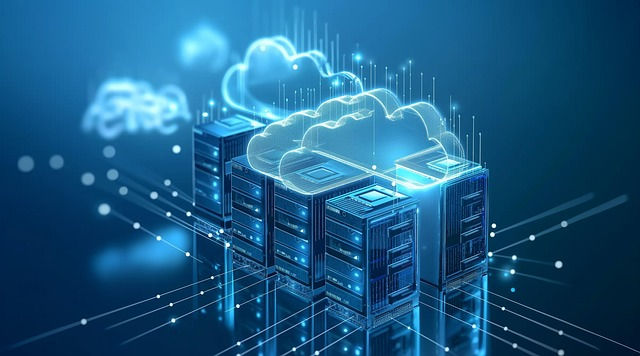
This is the term for software applications that are hosted in the cloud and make available to users over the internet. Usually they are on demand and come with a subscription cost. Microsoft Office 365 is a perfect example but there are many others. Cloud providers host and manage the software application which means that they look after upgrades and security issues.
Infrastructure as a service (IaaS)
This is the one we may be more familiar with and the main foundations of the cloud. It is the software and hardware used to create the cloud offering that an organisation will rent. It will be the servers, storage, operating systems, virtual machines that the cloud provider puts in place so you can avail of cloud on a pay as you go basis.
Hybrid cloud
Hybrid Cloud is a mix of cloud and onsite infrastructure. For a variety of reasons this solution can be the best option when it comes to greater flexibility and deployment within the business.
Whatever options you decide are right for you ensure you are well informed. A conversation with a cloud expert can reap rewards for the future and the team at DNA IT Solutions are available to take a look at your business and advise you accordingly.
WHAT WE OFFER
Connectivity Services